
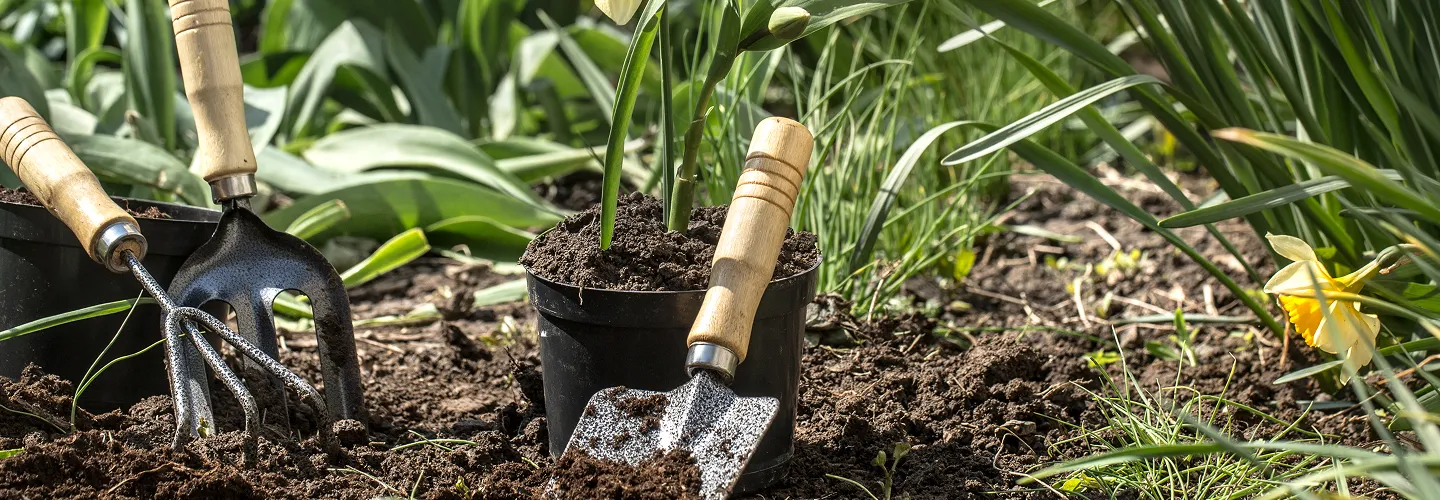
Comfort Flower Bed Maintenance Services
With years of expertise and a passion for pristine gardens, our dedicated team ensures your flower beds stay vibrant, healthy, and weed-free all season long — so you can enjoy a stunning landscape without lifting a finger.
Our Comfort Landscaping & Yard Care Services
When to Schedule Flower Bed Maintenance in Comfort, Texas – Seasonal Guide
In Comfort, Texas, the timing of flower bed maintenance is closely tied to our unique Hill Country climate and landscape. The optimal periods for tending to your beds are early spring and late fall, when temperatures are mild and rainfall is more predictable. Spring maintenance, typically from late February through April, prepares your beds for the growing season, while fall cleanups in October and November help protect plants from winter frost and set the stage for healthy blooms next year.
Local factors such as the proximity to Cypress Creek, the shaded lots in the Whispering Oaks neighborhood, and the rocky, well-drained soils common in Comfort all play a role in determining the best maintenance schedule. Our area’s risk of late spring frosts, periodic droughts, and high summer humidity means timing is everything for vibrant, resilient flower beds. For more information on local environmental guidelines, visit the Sudbury municipal site.
Local Factors to Consider for Flower Bed Maintenance in Comfort
- Tree density and shade coverage, especially in neighborhoods like The Reserve at Falling Water
- Soil type and drainage, with rocky soils requiring different care than loamy areas
- Seasonal precipitation patterns and drought risk
- Frost dates, which can vary near the Guadalupe River
- Municipal restrictions on watering or landscaping
- Terrain and slope, affecting runoff and soil erosion
Benefits of Flower Bed Maintenance in Comfort

Professional Flower Bed Care Year-Round
Enhanced Curb Appeal & Property Value
Weed-Free & Healthy Garden Beds
Custom Landscaping Solutions for Every Yard
Affordable & Reliable Maintenance Plans
Experienced Local Landscaping Experts

Comfort Flower Bed Maintenance Types

Seasonal Planting & Replanting
-
Mulching & Soil Conditioning
-
Weed Control & Prevention
-
Pruning & Deadheading
-
Irrigation & Watering Management
-
Fertilization & Nutrient Care
-
Pest & Disease Treatment
Our Flower Bed Maintenance Process
Soil Preparation & Assessment
Weed Removal & Cleanup
Plant Selection & Placement
Mulching & Edging
Watering & Fertilization
Why Choose Comfort Landscape Services
Comfort Homeowners Trust Us
-
Years of Landscape Expertise
-
Competitive and Transparent Pricing
-
Professional and Certified Team
-
Satisfaction Guarantee on Every Project
-
Personalized Service for Every Property
-
Reliable and On-Time Scheduling
-
Licensed and Fully Insured
Coordinating Flower Bed Maintenance with Kendall County Resources in Comfort
Comfort is an unincorporated community in Kendall County, which means residents coordinate landscape-related services through county departments rather than a municipal government. For flower bed maintenance, property owners should be aware of county-level guidance on green waste disposal, water use, and land-use standards. Kendall County Public Works and Road Services can advise on debris removal along county rights-of-way, and the Kendall Soil and Water Conservation District provides technical assistance on soil health, erosion prevention, and water-efficient planting practices relevant to maintaining flower beds on Hill Country properties.
- Contact Kendall County Public Works before placing bed-maintenance debris near county road shoulders or drainage easements
- Consult the Kendall Soil and Water Conservation District for guidance on mulch selection, soil amendment, and runoff reduction around planted beds
- Verify current water-use guidelines through the Kendall County Water Control and Improvement District No. 1 if your property falls within its service area, as drought-stage restrictions may limit irrigation schedules for flower beds
Kendall County Public Works and Road Services
Official Website: Kendall County Public Works and Road Services
Kendall Soil and Water Conservation District
Official Website: Kendall Soil and Water Conservation District
How Comfort's Hill Country Limestone and Heat Shape Flower Bed Health
Comfort sits in the Central Texas Hill Country within USDA Hardiness Zone 8b, where summer temperatures routinely exceed 100°F and annual rainfall averages roughly 30–34 inches, much of it arriving in unpredictable bursts. These conditions create a demanding environment for flower bed maintenance that differs sharply from wetter or cooler parts of the state.
- Alkaline, limestone-derived soils: Comfort's soils are predominantly calcareous and shallow over fractite limestone bedrock, producing a high pH that limits iron and nutrient availability for many ornamental species. Flower beds often require sulfur-based amendments or iron chelate applications to prevent chlorosis in acid-loving plants.
- Rapid drainage and drought stress: Thin, rocky soils drain quickly, meaning flower beds lose moisture faster than beds in deep clay or loam. Drip irrigation emitters placed at the root zone are essential for efficient water delivery during extended dry periods.
- Intense solar exposure: Reflected heat from limestone outcrops, caliche driveways, and south-facing walls accelerates mulch decomposition and increases evapotranspiration, requiring more frequent mulch replenishment and careful plant selection favoring heat-tolerant species such as lantana, salvia, and zinnias.
- Flash-flood runoff: Heavy Hill Country rain events can wash out bed edges, displace mulch, and carry sediment into nearby creeks and low-water crossings. Maintaining defined bed borders and using coarser mulch helps reduce erosion during storm events.
The USDA Plant Hardiness Zone Map and the USDA Web Soil Survey provide property-specific data that can guide soil preparation and species selection for Comfort flower beds.
Navigating Comfort's Regulatory Framework for Flower Bed Chemical Applications
Because Comfort operates under Kendall County jurisdiction rather than a city government, there are no municipal-level flower bed permits. However, several state and county-level regulations apply to chemical applications, water use, and environmental protection during bed maintenance.
- Any commercial applicator using pesticides or herbicides in Comfort flower beds must hold a valid license through the Texas Department of Agriculture under Texas Agriculture Code, Chapter 76. Property owners should verify licensing before allowing chemical treatments on their beds.
- Fertilizer applications are governed by Texas Agriculture Code, Chapter 63, which regulates commercial fertilizer labeling and distribution. Applying fertilizer near creek banks or drainage channels in the Cypress Creek or Comfort Creek corridors requires particular care to prevent nutrient-laden runoff.
- The Kendall County Development Department should be consulted if flower bed work involves grading changes, retaining walls, or modifications near floodplain areas, as county land-use regulations may apply.
Kendall County Development Department
Official Website: Kendall County Development Department
Timing Flower Bed Maintenance Around Comfort's Drought and Freeze Cycles
Professional flower bed maintenance in Comfort follows seasonal rhythms dictated by the Hill Country's climate extremes. Proper timing of each maintenance task protects plant health and reduces resource waste.
- Spring (March–May): This is the primary window for bed cleanup, soil amendment, fresh mulch application, and installation of warm-season annuals. Deadheading cool-season flowers such as pansies and removing spent winter plantings should occur before sustained temperatures exceed 85°F.
- Summer (June–August): Maintenance shifts to irrigation monitoring, weed suppression, and mulch preservation. Drip emitters should be inspected weekly for clogging from mineral deposits common in Comfort's hard water. Weeding should occur before seed set, ideally in early morning to reduce heat exposure for workers and plants.
- Fall (September–November): A second planting window opens as temperatures moderate. Cool-season annuals can be installed after the first sustained period below 90°F. Beds should be cleared of summer debris, and mulch depth should be restored to approximately three inches.
- Winter (December–February): Comfort experiences periodic hard freezes, and tender perennials in beds may require temporary frost cloth protection. Avoid pruning freeze-damaged plants until new growth confirms the extent of dieback in spring.
Irrigation scheduling should always align with any active drought-stage restrictions issued by the property's water provider. The Texas A&M AgriLife Extension publishes region-specific planting calendars and species recommendations applicable to Hill Country flower beds.
What Neighborhoods Do We Serve Throughout Comfort, TX?
- Historic Downtown Comfort: Older residential lots near High Street feature mature live oaks and established beds that require careful root-zone management and shade-tolerant plant selections during maintenance.
- Comfort Heights: Properties in this area often sit on elevated limestone terrain with thin topsoil, demanding additional soil preparation and efficient drip irrigation for flower bed sustainability.
- Cypress Creek Corridor: Homes along Cypress Creek face periodic flooding risk, making bed-edge stabilization, coarse mulch selection, and runoff-conscious maintenance practices essential.
- Highway 87 Corridor Residences: Properties along this corridor experience higher reflected heat from pavement, requiring heat-tolerant species and more frequent mulch replenishment in front-facing beds.
- Waring Road Area: Larger rural lots in this area often feature expansive beds with native plantings that benefit from low-water maintenance approaches suited to the surrounding rangeland environment.
- Comfort Park Vicinity: Residential properties near Comfort Park tend to have well-established landscaping with mixed sun and shade exposure, requiring tailored bed maintenance for varying light conditions.