
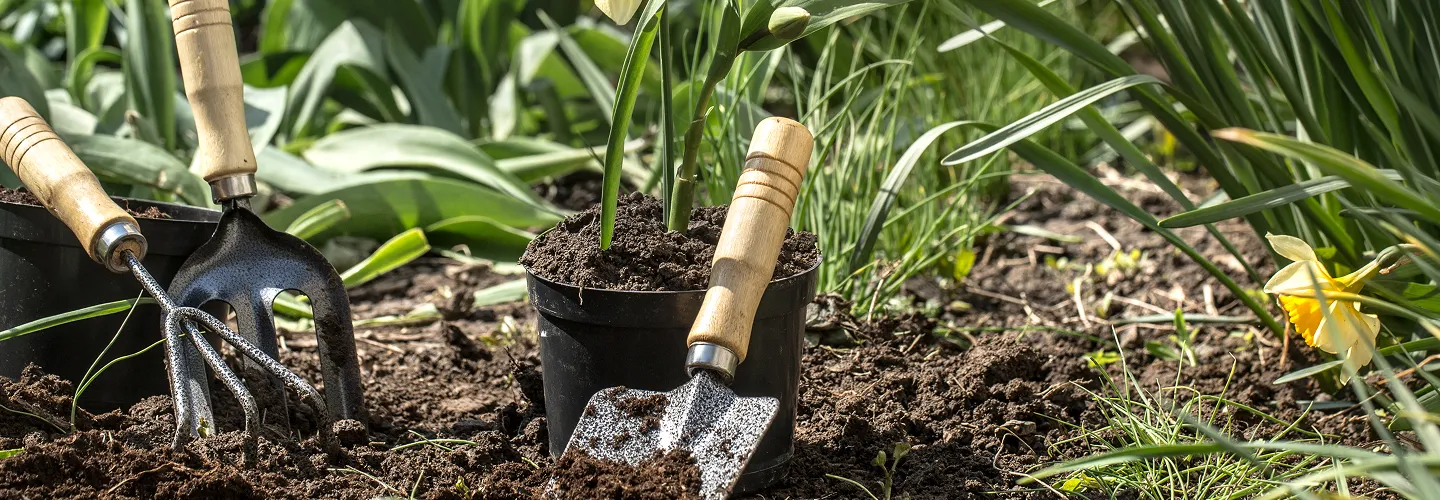
Comfort Hedging Services
With years of experience and a commitment to precision, our hedging professionals deliver beautifully shaped, healthy hedges that enhance your property's curb appeal, privacy, and value — all tailored to your unique vision.
Our Comfort Landscaping & Yard Care Services
When to Schedule Hedging in Comfort, Texas – Seasonal Guide
In Comfort, Texas, the best times to schedule hedging are typically late winter through early spring and again in late summer. These periods align with the region’s mild temperatures and reduced risk of frost, allowing plants to recover quickly and thrive. Comfort’s unique climate—marked by warm, humid summers and occasional drought—means that timing your hedging services is crucial for maintaining healthy, attractive landscapes. Neighborhoods near Cypress Creek and the historic downtown area often experience microclimates, with varying shade coverage and soil types that can influence the ideal hedging schedule.
Local environmental factors such as the last frost date (usually in early March), summer drought risk, and the prevalence of limestone-rich soils all play a role in determining when to trim hedges for optimal growth. Homeowners in areas like Whispering Oaks or along High Street should also consider municipal guidelines, which can be found on the town’s official website, to ensure compliance with local landscaping ordinances.
Local Factors to Consider for Hedging in Comfort
- Tree density and shade coverage in your yard
- Terrain and soil type, especially limestone-rich soils
- Seasonal precipitation and drought risk
- Frost dates and temperature fluctuations
- Municipal restrictions or neighborhood association guidelines
Benefits of Hedging in Comfort
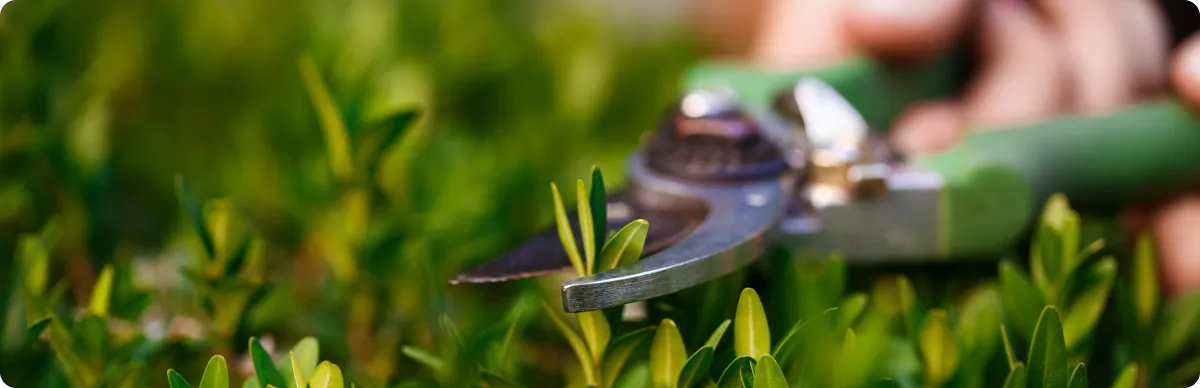
Professional Hedge Trimming & Shaping
Year-Round Landscape Maintenance
Experienced & Certified Landscapers
Affordable Hedging & Garden Services
Custom Hedge Design & Installation
Fast & Reliable Landscaping Solutions
Comfort Hedging Types

Evergreen Hedging
-
Deciduous Hedging
-
Flowering Hedging
-
Privacy Hedging
-
Low Border Hedging
-
Mixed Native Hedging
-
Topiary Hedging
Our Hedging Process
Site Survey & Hedge Assessment
Species & Style Selection
Ground Preparation
Planting & Positioning
Shaping & Trimming
Aftercare & Maintenance Plan
Why Choose Comfort Landscape Services
Comfort Homeowners Trust Us
-
Years of Landscape Expertise
-
Competitive and Transparent Pricing
-
Professional and Certified Team
-
Satisfaction Guarantee on Every Project
-
Personalized Service for Every Property
-
Reliable and On-Time Scheduling
-
Licensed and Fully Insured
Coordinating Hedging Services with Kendall County Departments in Comfort
Comfort is an unincorporated community in Kendall County, which means hedging work on residential and commercial properties falls under county-level oversight rather than a municipal code enforcement office. Property owners should be aware that hedges along county road frontages, drainage easements, or shared property boundaries may be subject to review by county departments responsible for right-of-way clearance and development standards. Before removing or significantly reshaping hedges near roadways, residents should verify whether the work encroaches on county-maintained easements or affects sight-line triangles at intersections.
- Confirm whether hedges border a county-maintained right-of-way before cutting or reshaping
- Contact the county development office to verify any land-use restrictions that may apply to screening hedges on subdivided lots
- Coordinate disposal of hedge clippings and woody debris through approved methods, as Comfort lacks a municipal curbside green-waste collection program
- Properties adjacent to Kendall County Parks or public open space should verify setback and vegetation management expectations
Kendall County Development Department
Boerne, TX 78006
Official Website: Kendall County Development Department
Kendall County Public Works and Road Services
Boerne, TX 78006
Official Website: Kendall County Public Works and Road Services
How Comfort's Hill Country Limestone Soils and Heat Affect Hedging
Comfort sits in the Central Texas Hill Country at the edge of USDA Hardiness Zone 8b, where conditions create a distinct set of challenges for hedge establishment and maintenance. The region's alkaline, limestone-derived soils are typically shallow and well-drained, which limits moisture retention and can stress hedge species that prefer deeper, more acidic substrates. Property owners should select species adapted to calcareous soils, such as yaupon holly, wax myrtle, or native Agarito, rather than acid-loving plants like azaleas or boxwood varieties bred for the eastern United States.
- Summer heat intensity: Comfort regularly experiences sustained temperatures above 100°F from June through September, which can scorch freshly sheared hedge foliage and slow recovery between trimming cycles
- Drought and aridity: Annual rainfall averages roughly 32 inches but arrives unevenly, with extended dry spells common from July through October; hedges without supplemental irrigation may exhibit dieback on sun-exposed faces
- Freeze risk: Winter cold snaps can drop temperatures into the low 20s°F, damaging tropical or semi-tropical hedge species such as Ligustrum or Ficus that perform well closer to the Gulf Coast
- Shallow rocky soils: Root systems in Comfort's limestone terrain spread laterally rather than deeply, making hedges more susceptible to wind-throw and drought stress simultaneously
The USDA Plant Hardiness Zone Map and the USDA Web Soil Survey provide site-specific data that can guide species selection and planting depth decisions.
Navigating Comfort's County-Level Regulations and Compliance for Hedging
Because Comfort operates under Kendall County jurisdiction rather than a city charter, hedging regulations are governed by county development standards and state-level environmental rules rather than a municipal code. Property owners in platted subdivisions may also be subject to deed restrictions or homeowners' association covenants that dictate hedge height, species, and setback from property lines. These private restrictions should be reviewed independently of county requirements.
- Hedges planted along county road frontages must not obstruct drainage ditches or block sight distances at intersections; verify clearance expectations through the Kendall County Engineer office
- Any herbicide or pesticide application to hedges by a commercial operator requires proper licensing under Texas Agriculture Code, Chapter 76, administered through the Texas Department of Agriculture
- Hedge clippings and green waste must not be deposited into creeks, roadside ditches, or drainage channels; the Kendall Soil and Water Conservation District provides guidance on vegetation management near waterways
- Properties within floodplain areas along Cypress Creek or the Guadalupe River corridor should confirm that hedge installations do not impede stormwater flow or violate floodplain development standards
Kendall County Permits
Boerne, TX 78006
Official Website: Kendall County Permits
Timing and Professional Standards for Hedging in Comfort's Climate
Hedge shaping in Comfort should follow seasonal timing that accounts for the Hill Country's growth cycles, heat stress windows, and freeze exposure. Most evergreen hedge species in this region produce their strongest flush of growth between late March and early June, making late spring the preferred window for major structural shaping. A lighter maintenance trim can follow in early fall once temperatures moderate, typically after mid-October.
- Avoid heavy shearing from mid-June through August: freshly cut surfaces are highly vulnerable to sunscald and desiccation during peak summer heat, and recovery growth demands irrigation that may conflict with drought-stage water restrictions
- Shape flowering hedges after bloom cycles: species such as Texas sage (Leucophyllum frutescens) bloom in response to summer humidity events, and premature shearing removes developing flower buds
- Sanitize cutting tools between properties: bacterial leaf scorch and fungal pathogens can transfer on contaminated blades, particularly during warm, humid conditions
- Taper hedge profiles wider at the base: this allows sunlight to reach lower branches, preventing the bare-legged appearance common in hedges sheared into vertical or top-heavy profiles
- Irrigate deeply two to three days before and after shearing: this supports recovery without saturating Comfort's shallow limestone soils, and residents should verify current watering allowances through the Kendall County Water Control and Improvement District No. 1 if served by that utility
The Texas A&M Forest Service Community Forestry program offers additional resources on sustainable woody-plant management practices applicable to hedge care in the Hill Country.
What Neighborhoods Do We Serve Throughout Comfort, TX?
- Historic Downtown Comfort: Older residential lots with mature live oaks and established hedge rows often require careful shaping around historic stone structures and narrow setbacks
- Comfort Heights: Properties on elevated terrain with rocky, shallow soils where hedge root systems face limited depth and increased drought exposure on south-facing slopes
- Cypress Creek Estates: Lots adjacent to Cypress Creek corridors require attention to floodplain buffers and should avoid depositing hedge debris near waterway banks
- Persimmon Hill: Larger rural-residential parcels with mixed native vegetation where hedging often serves as windbreak or wildlife screening along fence lines
- Comfort Park Vicinity: Properties near public park areas where hedge maintenance contributes to neighborhood appearance and pedestrian sight-line safety along roadways
- Upper Guadalupe River Area: Acreage tracts along the river corridor where hedging supports privacy screening and erosion-sensitive slopes demand careful species selection and irrigation planning