
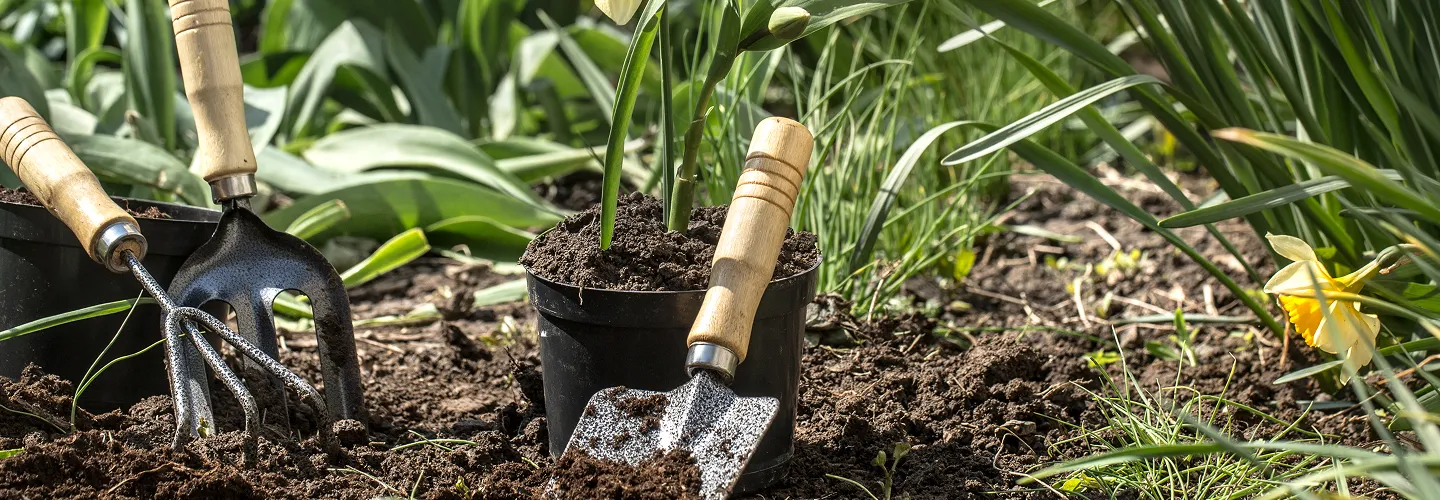
Comfort Lawn Leveling Services
With years of expertise, precision equipment, and a commitment to customer satisfaction, our lawn leveling professionals deliver smooth, even surfaces that enhance drainage, promote healthier grass growth, and elevate the beauty of your property — guaranteed results you can see and feel.
Our Comfort Landscaping & Yard Care Services
When to Schedule Lawn Leveling in Comfort, Texas – Seasonal Guide
In Comfort, Texas, the best time to schedule lawn leveling is typically during late spring or early fall, when temperatures are moderate and the soil retains enough moisture for optimal results. The region’s climate, characterized by hot summers and mild winters, means that working outside of the peak heat and avoiding the risk of frost is crucial for both soil health and successful leveling. Neighborhoods near Cypress Creek or around the historic downtown area often experience unique microclimates, so it’s important to consider local conditions before planning your project.
Environmental factors such as the area’s clay-heavy soils, periodic drought risk, and variable shade coverage from mature oaks and pecans can all impact the timing and effectiveness of lawn leveling. For example, properties in the Shadow Valley subdivision may have denser tree canopies, affecting sunlight and moisture retention. Additionally, it’s wise to check for any municipal watering restrictions or seasonal guidelines provided by the Town of Sudbury before scheduling service.
Local Factors to Consider for Lawn Leveling in Comfort
- Tree density and shade coverage (especially in neighborhoods like Shadow Valley)
- Soil type and drainage, with many areas featuring clay-rich soils
- Seasonal precipitation patterns and drought risk
- Frost dates and temperature fluctuations
- Terrain slope and proximity to creeks or flood-prone zones
- Municipal watering restrictions or local ordinances
Benefits of Lawn Leveling in Comfort

Professional Lawn Leveling Experts
Improved Yard Drainage Solutions
Enhanced Curb Appeal & Property Value
Safe & Even Outdoor Surfaces
Affordable Landscaping Services
Fast & Reliable Lawn Care Results

Comfort Lawn Leveling Types

Topdressing Leveling
-
Grading and Resloping
-
Sand-Based Leveling
-
Soil Amendment Leveling
-
Sod Removal and Releveling
-
Rolling and Compaction Leveling
-
Aeration and Overseeding Leveling
Our Lawn Leveling Process
Site Inspection & Assessment
Soil Testing & Analysis
Grading & Leveling
Topsoil Application
Seeding & Fertilizing
Final Cleanup & Review
Why Choose Comfort Landscape Services
Comfort Homeowners Trust Us
-
Years of Landscape Expertise
-
Competitive and Transparent Pricing
-
Professional and Certified Team
-
Satisfaction Guarantee on Every Project
-
Personalized Service for Every Property
-
Reliable and On-Time Scheduling
-
Licensed and Fully Insured
Coordinating Lawn Leveling Projects Through Kendall County Development and Engineering Services
Comfort is an unincorporated community in Kendall County, which means lawn leveling projects fall under county-level oversight rather than a municipal government. Property owners planning grade corrections should coordinate with Kendall County departments when work involves changes to drainage patterns, right-of-way adjacency, or areas near county road infrastructure. The Kendall County Engineer's office addresses grading and drainage concerns that may affect neighboring parcels or county road ditches, and property owners should verify whether their scope of work triggers any county development review.
- Confirm whether grading changes redirect runoff toward county roads, easements, or neighboring properties
- Contact the county development office before leveling near platted drainage easements or floodplain-adjacent lots
- Coordinate with the Kendall County Water Control and Improvement District No. 1 if leveling work affects irrigation supply lines or water infrastructure
Kendall County Engineer
Official Website: Kendall County Engineer
Kendall County Development Department
Official Website: Kendall County Development Department
How Comfort's Hill Country Limestone and Drought Cycles Affect Lawn Leveling
Comfort sits in the Central Texas Hill Country within USDA Hardiness Zone 8b, where conditions present distinct challenges for lawn leveling. The region's soils are predominantly limestone-derived, often shallow and alkaline with thin topsoil layers over fractite and caliche. These calcareous profiles resist deep grading and can produce uneven settlement when fill material is placed over exposed rock shelves. Property owners should anticipate encountering rock at shallow depths, which limits the volume of topdressing that can be effectively integrated.
- Alkaline, calcium-rich soils resist organic matter breakdown and may require sandy loam topdressing blends rather than heavy compost applications
- Limestone shelf and caliche layers create hard subsurface planes that channel water laterally, producing localized pooling and turf scalping on high spots
- Drought-to-downpour cycles cause rapid soil shrinkage followed by flash saturation, accelerating surface unevenness across bermudagrass and buffalograss lawns
- Cypress Creek and Comfort Creek corridors influence drainage behavior on properties near low-lying areas, where leveling must account for natural runoff paths
The USDA Web Soil Survey provides parcel-level soil data that can help property owners and contractors identify subsurface limestone depth and drainage class before beginning leveling work. The Kendall Soil and Water Conservation District offers additional guidance on soil and water management practices suited to the Hill Country landscape.
Navigating Comfort's Permit Requirements and Stormwater Rules for Lawn Leveling
Because Comfort operates under Kendall County jurisdiction, property owners should review county-level land-use regulations before undertaking significant grade changes. The Kendall County Permits office provides application resources for construction and development activities, and property owners should confirm whether their leveling scope requires formal review—particularly on lots within platted subdivisions or near designated floodplain boundaries.
- Leveling that alters drainage flow toward adjacent parcels or county infrastructure may require engineering review through the county engineer's office
- Properties within or adjacent to FEMA-mapped floodplain zones along Cypress Creek should verify that grade changes do not reduce floodwater conveyance capacity
- Stormwater discharge from disturbed soil during leveling must not carry sediment into roadside ditches, creek channels, or drainage inlets, consistent with Clean Water Act protections
- Any pesticide or herbicide application associated with turf re-establishment after leveling must comply with Texas Agriculture Code, Chapter 76, which governs pesticide and herbicide regulation statewide
Property owners on larger rural lots should also confirm setback and easement boundaries through the Kendall County Development Department before placing fill material near property lines or utility corridors.
Timing and Methods for Lawn Leveling in Comfort's Hill Country Growing Season
Lawn leveling in Comfort should be scheduled during active warm-season turf growth to allow rapid recovery. For bermudagrass and buffalograss—the dominant turf species in the Hill Country—the optimal window runs from late April through mid-June, when soil temperatures consistently exceed 65°F and turf is actively spreading. Leveling during summer peak heat above 100°F increases stress risk, and fall leveling leaves insufficient recovery time before the region's first freeze, which typically arrives in late November.
- Topdressing material: use a clean sandy loam or sand-compost blend compatible with the existing alkaline soil profile; avoid heavy clay fill that seals the surface
- Application depth: limit topdressing to roughly half an inch per pass to prevent smothering the turf crown; multiple light applications over several weeks produce more stable results than a single heavy layer
- Drainage correction: identify low spots where water pools for more than 24 hours after rain and address subsurface compaction or rock shelves before adding fill
- Scalping prevention: after leveling, adjust mowing height upward temporarily to avoid cutting into exposed crowns on newly graded high points
- Irrigation coordination: water lightly and frequently after topdressing to settle material into the turf canopy without creating runoff; verify current watering restrictions through Kendall County Water Control and Improvement District No. 1 before establishing an irrigation schedule
Resources from Texas A&M AgriLife Extension provide regionally calibrated guidance on bermudagrass and buffalograss recovery after leveling disturbance.
What Neighborhoods Do We Serve Throughout Comfort, TX?
- Historic Downtown Comfort — Older residential lots near High Street often feature mature live oaks and uneven grade from decades of root growth and soil settlement, requiring careful leveling around established root zones.
- Comfort Heights — Properties in this area tend toward sloped Hill Country terrain with shallow limestone, where leveling must account for rock outcrops and lateral water movement.
- Persimmon Hill — Larger rural-residential parcels in this vicinity may experience significant grade variation from natural hillside contours and require phased topdressing approaches.
- Cypress Creek Corridor — Lots adjacent to Cypress Creek face drainage-sensitive conditions where leveling must preserve natural runoff paths and avoid redirecting stormwater toward the creek channel.
- Waring Road Area — Properties along the western outskirts of Comfort often feature expansive lot sizes with mixed native grass and bermudagrass, where leveling addresses both turf management and pasture-edge transitions.
- Comfort Park Vicinity — Residential properties near county park land benefit from leveling that improves turf uniformity while maintaining compatibility with adjacent public green space drainage patterns.