
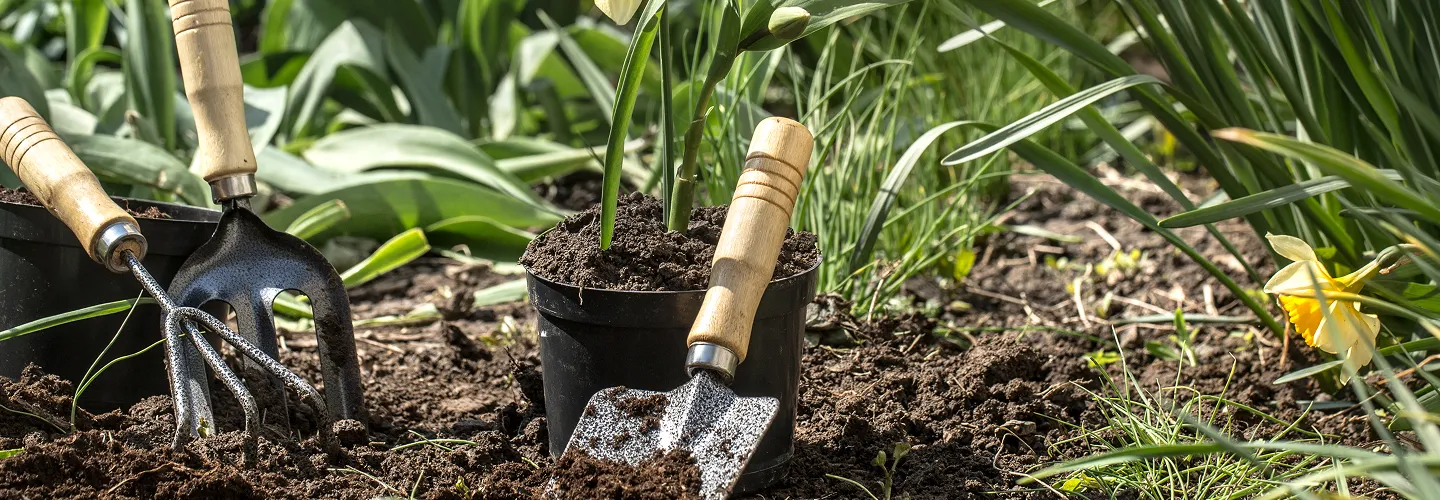
Comfort Flower Planting Services
With years of expertise and a passion for beautiful blooms, our dedicated team delivers personalized flower planting solutions that transform your outdoor spaces into vibrant, thriving gardens you'll love coming home to.
Our Comfort Landscaping & Yard Care Services
When to Schedule Flower Planting in Comfort, Texas – Seasonal Guide
Flower planting in Comfort, Texas, is best scheduled with careful attention to the region’s unique climate and landscape. The optimal planting windows are typically early spring (late February to early April) and early fall (late September to mid-October), when temperatures are moderate and rainfall is more predictable. Comfort’s proximity to the Guadalupe River and neighborhoods like Cypress Creek and Alamo Springs means microclimates can vary, so it’s important to consider your specific location.
Local environmental factors play a significant role in successful flower planting. Comfort’s last frost date usually falls in early March, but unexpected cold snaps can occur, especially in shaded areas near Old Tunnel State Park. The area’s rocky Hill Country soil, periods of high humidity, and occasional drought risk require thoughtful plant selection and timing. For more detailed local climate data and gardening resources, visit the Sudbury municipal site.
Local Factors to Consider for Flower Planting in Comfort
- Tree density and shade coverage, especially in established neighborhoods like Whispering Oaks
- Soil type and drainage, with rocky or clay-heavy soils common in the region
- Annual precipitation patterns and drought risk
- Terrain elevation and proximity to water sources like the Guadalupe River
- Municipal restrictions or watering schedules
- Timing of the last spring frost and first fall frost
Benefits of Flower Planting in Comfort

Professional Flower Bed Design & Installation
Seasonal Planting for Year-Round Curb Appeal
Expert Plant Selection for Local Climate
Affordable Landscaping Solutions in Comfort
Low-Maintenance Garden Planning & Care
Eco-Friendly & Sustainable Planting Practices

Comfort Flower Planting Types

Annual Flower Beds
-
Perennial Garden Borders
-
Container & Pot Planting
-
Raised Bed Flower Gardens
-
Wildflower Meadow Planting
-
Seasonal Color Rotations
Our Flower Planting Process
Site Evaluation
Soil Preparation
Flower Selection
Planting & Spacing
Mulching & Watering
Why Choose Comfort Landscape Services
Comfort Homeowners Trust Us
-
Years of Landscape Expertise
-
Competitive and Transparent Pricing
-
Professional and Certified Team
-
Satisfaction Guarantee on Every Project
-
Personalized Service for Every Property
-
Reliable and On-Time Scheduling
-
Licensed and Fully Insured
Coordinating Flower Planting Projects with Kendall County Departments in Comfort
Comfort is an unincorporated community in Kendall County, which means flower planting projects on residential and commercial properties fall under county-level oversight rather than a municipal government. Property owners planning flower installations that involve grading, irrigation tie-ins, or work near county rights-of-way should coordinate with the Kendall County Development Department to confirm whether site-level review applies. For projects adjacent to drainage easements or county road frontage, the Kendall County Engineer's office can clarify setback expectations and runoff considerations. The Kendall Soil and Water Conservation District offers guidance on soil preparation and erosion prevention practices suited to the Hill Country landscape, which is particularly valuable when establishing new planting beds on sloped terrain.
- Verify whether irrigation connections require coordination with your local water provider before installing drip systems for flower beds
- Confirm right-of-way boundaries with the county before planting along road frontage or drainage corridors
- Consult the conservation district for soil amendment and erosion-control recommendations specific to Comfort's limestone terrain
Kendall County Development Department
201 E. San Antonio Ave., Boerne, TX 78006
Official Website: Kendall County Development Department
Kendall Soil and Water Conservation District
Official Website: Kendall Soil and Water Conservation District
How Comfort's Hill Country Limestone and Heat Shape Flower Planting
Comfort sits in the Central Texas Hill Country within USDA Hardiness Zone 8b, where summer temperatures regularly exceed 100°F and annual rainfall averages roughly 32 inches, much of it arriving in unpredictable bursts. These conditions create a demanding environment for flower planting that requires careful species selection and site preparation.
- Alkaline, limestone-derived soils: Much of the Comfort area features shallow, calcareous soils over fractite limestone. These soils are typically alkaline with a pH above 7.5, which limits iron and nutrient availability for acid-loving species. Soil amendment with sulfur or comite organic matter may be necessary, but results should be verified through a soil test before planting.
- Rapid drainage and low moisture retention: Thin Hill Country soils over limestone drain quickly, meaning flower beds can dry out within hours of watering during peak summer. Drip irrigation and organic mulch are essential for sustaining root-zone moisture.
- Freeze exposure: Comfort experiences periodic hard freezes between late November and early March. Selecting flowers rated for Zone 8b freeze tolerance—or planning seasonal rotations—prevents losses from unexpected cold snaps that funnel through the Guadalupe River valley.
- Reflected heat from caliche and rock: Properties with exposed limestone, gravel drives, or south-facing walls amplify radiant heat, stressing flowers planted in unshaded beds. Afternoon shade or heat-tolerant species such as lantana, salvia, and zinnias perform more reliably in these exposures.
Navigating Comfort's Regulatory Framework for Flower Planting Compliance
Because Comfort operates under Kendall County jurisdiction rather than a city government, flower planting itself does not typically require a permit. However, several regulatory layers may apply depending on project scope and location. Property owners should review Kendall County land-use regulations when flower planting is part of a larger landscape or development project that involves grading, retaining walls, or irrigation infrastructure changes.
- Any application of commercial pesticides or herbicides in flower beds must comply with Texas Agriculture Code, Chapter 76, which requires proper licensing through the Texas Department of Agriculture for commercial applicators
- Fertilizer use near Cypress Creek or other waterways should follow stormwater best management practices consistent with Clean Water Act protections to prevent nutrient-laden runoff from entering local drainages
- Water use for establishing new flower plantings may be subject to drought-stage restrictions imposed by the local water provider; residents served by the Kendall County Water Control and Improvement District No. 1 should verify current watering allowances before scheduling irrigation-intensive establishment periods
Kendall County Water Control and Improvement District No. 1
Official Website: Kendall County Water Control and Improvement District No. 1
Timing Flower Planting Around Comfort's Drought Cycles and Freeze Windows
Professional flower planting in the Comfort area follows two primary installation windows dictated by the Hill Country's climate extremes. Fall planting between mid-October and late November allows root systems to establish during cooler temperatures and typically adequate soil moisture before winter dormancy. Spring planting between mid-March and late April takes advantage of warming soils and seasonal rainfall before the onset of sustained summer heat. Planting during June through August is generally inadvisable unless supplemental irrigation is guaranteed and heat-tolerant species are selected.
- Soil preparation: Amend beds with 3–4 inches of compost worked into the top 6–8 inches of native soil to improve moisture retention in Comfort's fast-draining limestone-derived ground
- Irrigation method: Drip emitters or soaker hoses placed at the root zone reduce water waste and prevent foliar disease compared to overhead sprinklers; this is especially important given periodic water-use restrictions
- Mulch application: Apply 2–3 inches of shredded hardwood or native mulch around plantings to moderate soil temperature, suppress weeds, and reduce evaporation during extended dry periods
- Species selection: Region-appropriate choices for Comfort include black-eyed Susan, autumn sage, mealy blue sage, flame acanthus, esperanza, and Mexican bush sage—all of which tolerate alkaline soils, periodic drought, and Zone 8b freeze events
- Post-planting monitoring: New installations require consistent watering for the first 4–6 weeks; adjust frequency based on rainfall and current drought-stage guidelines from the local water district
What Neighborhoods Do We Serve Throughout Comfort, TX?
- Downtown Comfort Historic District — Properties in the historic core often feature mature live oaks and established garden beds that require careful flower selection to complement existing shade patterns and heritage landscaping character.
- Comfort Heights — Elevated lots in this area experience increased wind exposure and faster soil drying, making drought-tolerant flower species and windbreak-adjacent planting strategies particularly important.
- Along Highway 27 Corridor — Properties fronting the highway contend with reflected heat from pavement and higher visibility, requiring heat-tolerant, low-maintenance flower selections that maintain curb appeal through summer.
- Cypress Creek Vicinity — Lots near Cypress Creek may sit within or adjacent to floodplain areas where flower bed placement must account for periodic inundation, erosion risk, and runoff-sensitive planting practices.
- Waring Road Rural Properties — Larger rural parcels west of Comfort often have caliche-heavy soils and limited irrigation infrastructure, favoring native and adapted wildflower plantings over high-input ornamental beds.
- Camp Comfort and Park-Adjacent Areas — Properties near county park land benefit from established tree canopy but require shade-tolerant flower species and careful irrigation planning to avoid competing with mature root systems.