
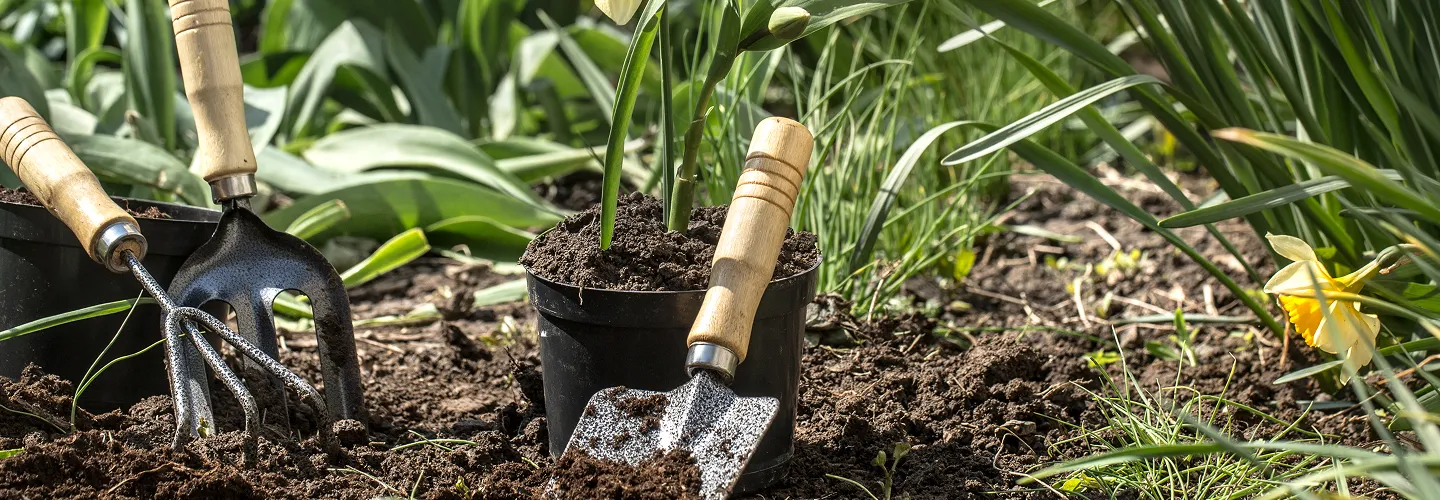
Comfort Plant Removal Services
With years of expertise and a commitment to customer satisfaction, our skilled team ensures every plant removal is handled safely, efficiently, and with minimal disruption to your property — so you can enjoy a clean, clear space without the hassle.
Our Comfort Landscaping & Yard Care Services
When to Schedule Plant Removal in Comfort, Texas – Seasonal Guide
In Comfort, Texas, timing your plant removal is crucial for both the health of your landscape and the efficiency of the process. The region’s unique blend of Hill Country climate, with its hot summers, mild winters, and periodic droughts, means that late winter through early spring is often the optimal window for most plant removal projects. This period, just after the last frost and before new growth begins, allows for easier root extraction and minimizes disruption to surrounding vegetation. Neighborhoods near Cypress Creek and the historic downtown area often experience microclimates, so it’s important to consider local conditions such as shade from mature oaks or the rocky, well-drained soils common in the area.
Environmental factors like humidity, soil composition, and the risk of late spring frosts can all impact the best time for removal. For example, properties along High Street or near Comfort Park may face additional considerations due to municipal guidelines or proximity to protected green spaces. Always check with local resources such as the Town of Sudbury’s environmental guidelines for up-to-date information on restrictions and best practices.
Local Factors to Consider for Plant Removal in Comfort
- Tree density and canopy coverage, especially in established neighborhoods
- Terrain challenges, including rocky soils and sloped lots
- Seasonal precipitation patterns and drought risk
- Local frost dates and temperature fluctuations
- Municipal restrictions or permit requirements
- Proximity to landmarks like Cypress Creek or Comfort Park
Benefits of Plant Removal in Comfort

Professional & Licensed Landscaping Crew
Safe & Efficient Plant Removal Services
Affordable Pricing With No Hidden Fees
Eco-Friendly Disposal & Recycling Practices
Fast Turnaround & Reliable Scheduling
Free On-Site Estimates & Consultations

Comfort Plant Removal Types

Tree Removal
-
Shrub Removal
-
Stump Grinding
-
Hedge Removal
-
Weed & Invasive Species Removal
-
Root System Extraction
-
Overgrown Vegetation Clearing
Our Plant Removal Process
Site Evaluation
Plant Identification & Planning
Root System Assessment
Safe Plant Extraction
Soil Restoration
Cleanup & Disposal
Why Choose Comfort Landscape Services
Comfort Homeowners Trust Us
-
Years of Landscape Expertise
-
Competitive and Transparent Pricing
-
Professional and Certified Team
-
Satisfaction Guarantee on Every Project
-
Personalized Service for Every Property
-
Reliable and On-Time Scheduling
-
Licensed and Fully Insured
Coordinating Plant Removal Disposal and Site Stabilization in Comfort, TX
Plant removal in the Comfort area requires coordination with Kendall County departments, as Comfort is an unincorporated community without a standalone municipal government. Property owners and managers should contact the county for guidance on debris disposal routing, right-of-way clearance, and any site-disturbance requirements before beginning removal work. When plant removal occurs near county roads, drainage easements, or public infrastructure, the Kendall County Public Works and Road Services office can advise on access restrictions and debris-hauling expectations. For projects that involve grading changes or land clearing beyond individual plant extraction, the Kendall County Development Department oversees land-use matters and can clarify whether additional review applies.
- Confirm disposal routing for organic debris through county-approved channels before hauling
- Coordinate with Public Works if removal affects county road shoulders, ditches, or drainage structures
- Verify whether the scope of clearing triggers development review through the county
Kendall County Public Works and Road Services
Official Website: Kendall County Public Works and Road Services
Kendall County Development Department
Official Website: Kendall County Development Department
How Comfort's Hill Country Limestone and Heat Shape Plant Removal
Comfort sits in the Central Texas Hill Country within USDA Hardiness Zone 8b, where conditions directly influence how plant removal is planned and executed. The region's shallow, alkaline, limestone-derived soils create unique root-zone challenges. Many established plants—particularly native species such as Ashe juniper (cedar), agarito, and prickly pear—develop extensive lateral root systems that interlock with fractured limestone substrate. Extracting these root masses without destabilizing surrounding soil requires careful mechanical or manual techniques.
- Shallow bedrock: Limestone may sit only inches below the surface, limiting excavation depth and requiring specialized root-cutting tools rather than standard digging equipment
- Alkaline, calcareous soils: Soil pH commonly exceeds 7.5, affecting what replacement vegetation can establish after removal and influencing erosion behavior on exposed ground
- Intense summer heat: Sustained temperatures above 100°F accelerate moisture loss from exposed soil after plant removal, increasing the urgency of stabilization measures such as mulching or temporary erosion blankets
- Erratic rainfall and flash-flood risk: Comfort receives roughly 30–34 inches of annual rainfall, often in intense bursts; bare ground left after removal is highly vulnerable to sheet erosion and sediment transport toward Cypress Creek and local drainage channels
The USDA Web Soil Survey provides site-specific soil data that can help property owners understand subsurface conditions before scheduling removal work.
Navigating Comfort's Permit and Environmental Compliance Requirements for Plant Removal
Because Comfort falls under Kendall County jurisdiction rather than a city government, permit requirements for plant removal depend on the scope and location of the work. Routine removal of individual ornamental plants or overgrown vegetation on private residential lots generally does not trigger a county permit. However, larger-scale clearing—particularly on parcels undergoing development or subdivision—may require review through the Kendall County Permits office.
- Any herbicide application during or after plant removal must comply with Texas Agriculture Code, Chapter 76, which requires commercial applicators to hold a valid license through the Texas Department of Agriculture
- Removal work near Cypress Creek or its tributaries must avoid introducing sediment, debris, or chemical runoff into waterways, consistent with Clean Water Act protections
- The Kendall Soil and Water Conservation District provides conservation guidance for properties where removal may expose erodible slopes or affect water quality downstream
- Property owners in floodplain areas should verify current land-use restrictions through the county before removing vegetation that may serve a stabilization function
Kendall Soil and Water Conservation District
Official Website: Kendall Soil and Water Conservation District
Timing Plant Removal Around Comfort's Drought Cycles and Freeze Windows
Professional plant removal in the Comfort area should account for seasonal extremes that affect both the removal process and post-removal site recovery. The optimal windows depend on the species being removed, the site's exposure, and the intended follow-up treatment.
- Late fall through early spring (November–March): Preferred for removing deciduous species, as reduced foliage simplifies access and dormant root systems are less likely to send up aggressive regrowth; however, hard freezes—which Comfort experiences several times per winter—can make limestone soils temporarily more brittle and difficult to work
- Avoid mid-summer removal when possible: Exposed soil dries rapidly in Hill Country heat, and replacement plantings installed immediately after removal face severe transplant stress; if summer removal is unavoidable, temporary mulch cover of at least 3–4 inches should be applied within 24 hours
- Post-rain timing: Scheduling removal shortly after significant rainfall softens calcareous soils and eases root extraction, but saturated slopes near creek corridors increase erosion risk during equipment operation
- Invasive species priority: Ashe juniper and other aggressive colonizers should be removed before they set seed in late winter to reduce reestablishment pressure on the cleared site
The Texas A&M Forest Service Community Forestry program offers additional guidance on managing vegetation in Hill Country landscapes.
What Neighborhoods Do We Serve Throughout Comfort, TX?
- Downtown Comfort / Historic District: Older lots with mature live oaks, pecans, and established ornamental plantings often require careful removal around historic structures and root-sensitive foundations
- Cypress Creek Corridor: Properties along Cypress Creek face heightened erosion and runoff concerns during plant removal, requiring sediment control measures and careful debris management near the waterway
- Highway 27 / High Street Corridor: Mixed residential and commercial parcels along this corridor frequently need removal of overgrown vegetation encroaching on sight lines, signage, and drainage infrastructure
- Comfort Estates and Surrounding Ranchettes: Larger rural-residential lots commonly require removal of invasive Ashe juniper stands and prickly pear to restore native grassland or prepare sites for improved landscaping
- Waring Road Area: Properties west of Comfort along Waring Road sit on particularly shallow limestone soils, making root extraction more labor-intensive and requiring specialized equipment for larger specimens